What are Snapchat Planets?
Snapchat Planets are part of Friend Solar Systems, a Snapchat+ feature that represents a friend's position around you. The Sun represents you, while the planet names represent positions in the displayed Best Friends system.
The complete order
The order contains eight positions: Mercury, Venus, Earth, Mars, Jupiter, Saturn, Uranus and Neptune. Mercury is first and Neptune is eighth, with the other planets placed between them in that sequence.
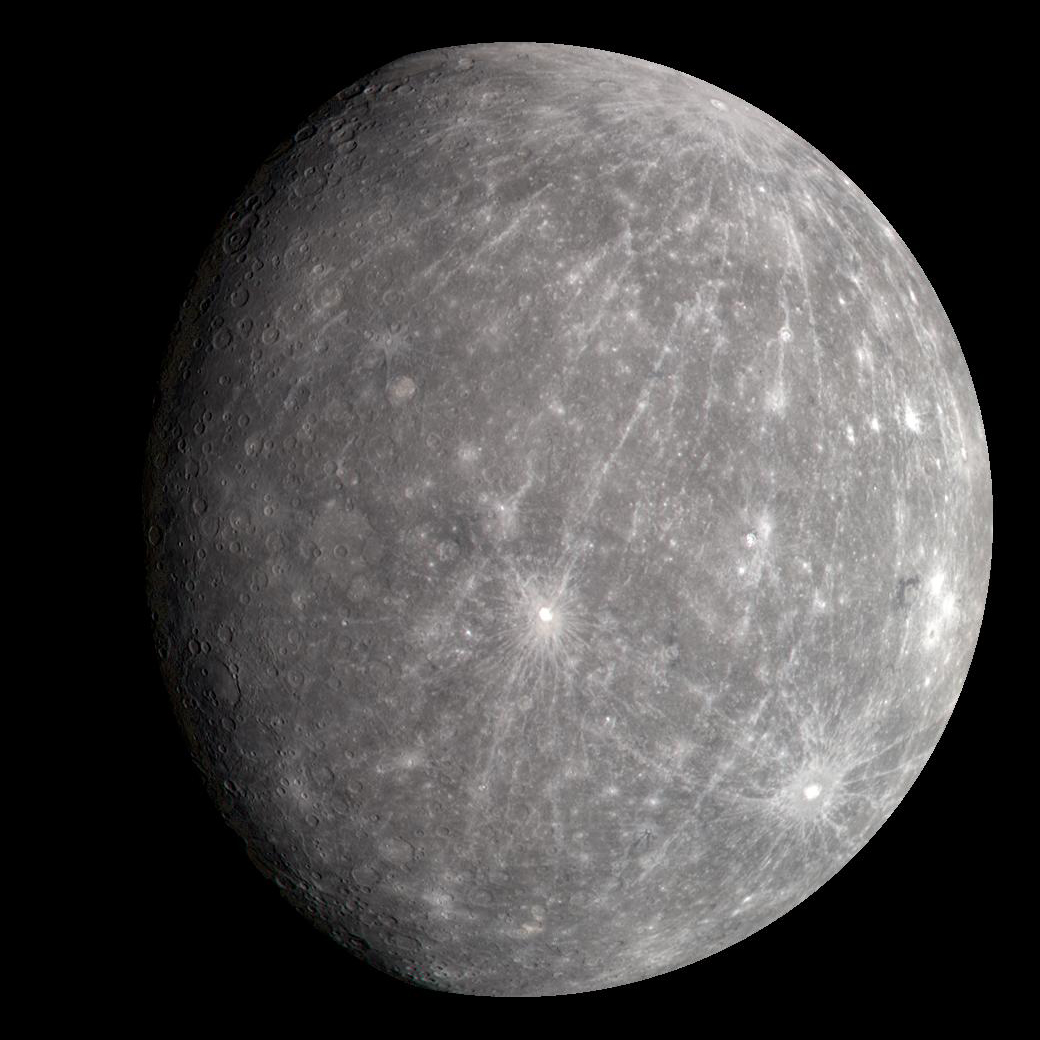
Mercury
Mercury is the first planet in the Snapchat order and represents the closest position to the Sun—you. It is used for the friend shown at the top of the displayed Best Friends connection. In simple words, this is the person Snapchat places closest to you in that particular view. The planet name is only a visual label; it does not describe someone's personality or prove how much they care.
Read meaning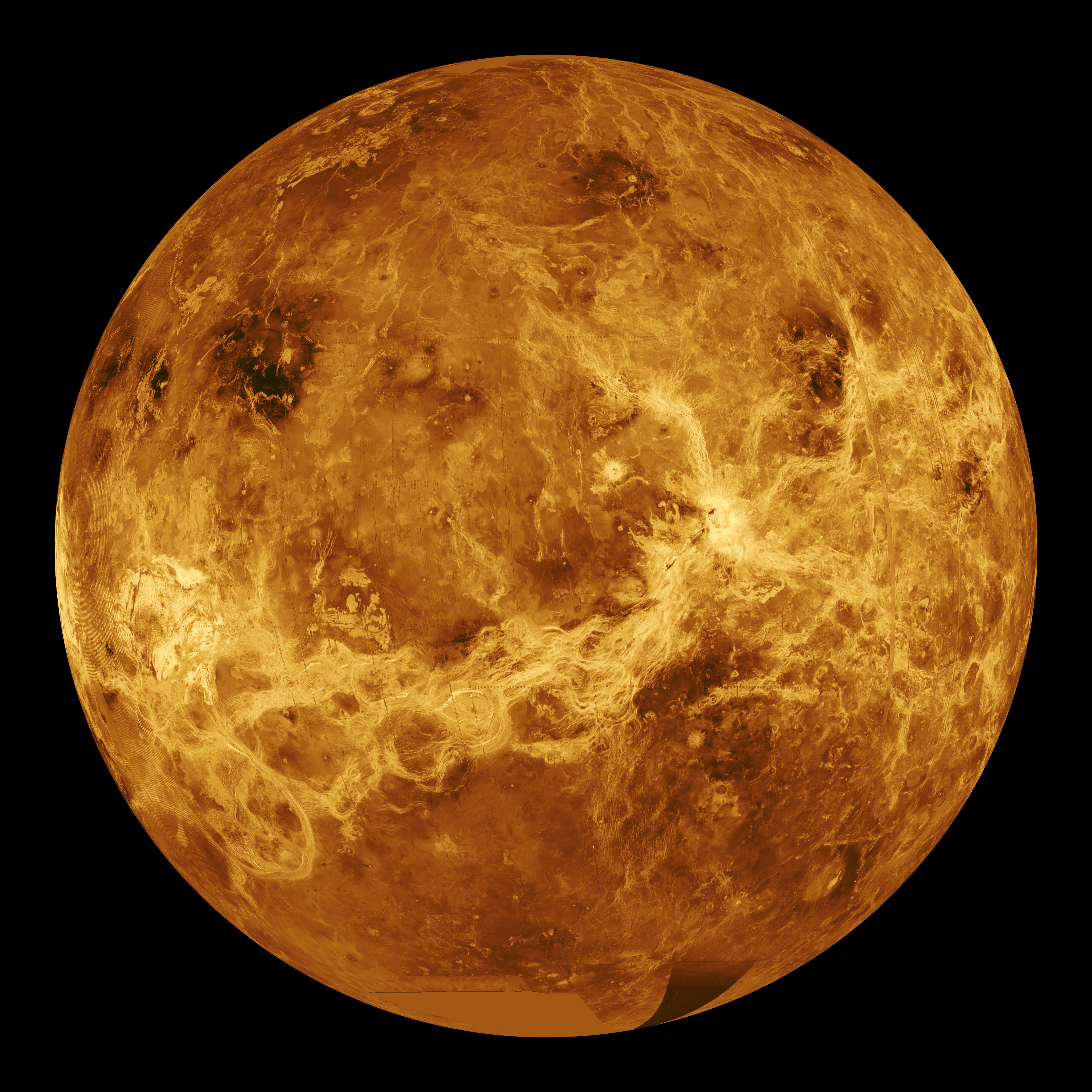
Venus
Venus is the second position in the Snapchat planet order. It represents a friend who appears just after the closest position in the displayed system. You may interact with this person often, but the ranking can change as your snaps, chats and other activity change. Venus is not a negative position—it simply means second in this feature.
Read meaning
Earth
Earth is the third position in the Snapchat planet order. It represents a friend who is still among the closer connections shown by the feature, while being placed behind Mercury and Venus. The Earth label does not mean the friendship is ordinary or less important in real life. It is simply the third visual position in the Friend Solar System.
Read meaning
Mars
Mars is the fourth position in the Snapchat planet order. It represents a friend who appears in the middle of the eight available positions. You may still communicate regularly with this person, but the displayed ranking places them after the first three positions. Mars is a feature label, not a judgment about the strength or quality of a friendship.
Read meaning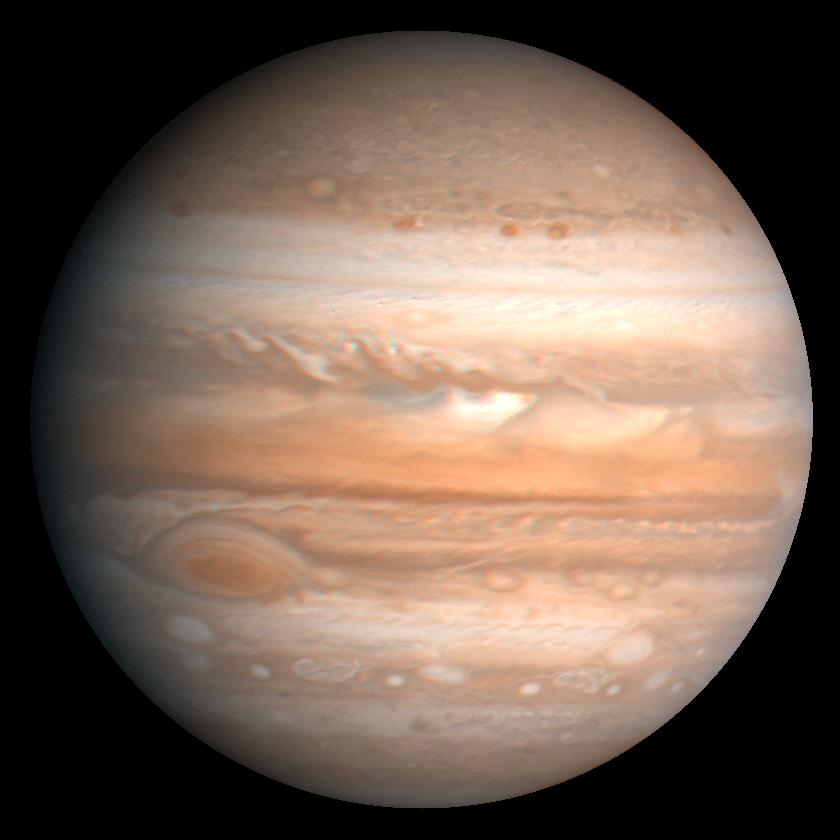
Jupiter
Jupiter is the fifth position in the Snapchat planet order. It represents a friend who appears farther from the Sun than the first four positions. The feature may show this person as a less frequent interaction compared with the people above them, but that can change over time. A Jupiter position does not mean the friendship is unimportant.
Read meaning
Saturn
Saturn is the sixth position in the Snapchat planet order and is easy to recognize because of its rings. It represents a friend placed toward the outer part of the displayed system. The position may reflect less frequent interaction in the feature, but it cannot explain the full story of a friendship. Snapchat rankings are dynamic and may move as activity changes.
Read meaning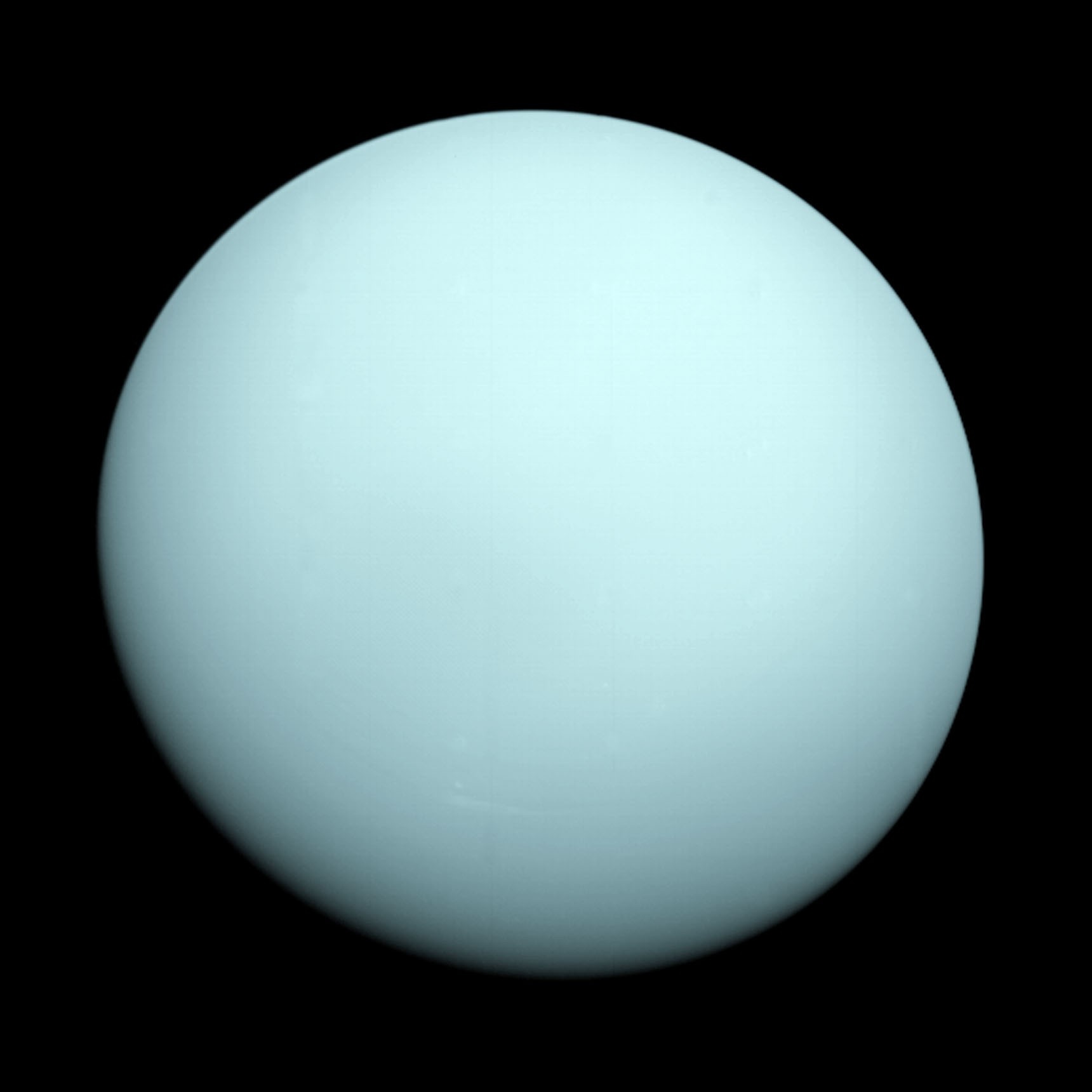
Uranus
Uranus is the seventh position in the Snapchat planet order. It represents a friend who appears near the outer edge of the eight-planet display. This may indicate that the person is lower in the current displayed ranking, but it does not mean the person is a bad friend or that the connection has ended. The position can change when your interaction patterns change.
Read meaning
Neptune
Neptune is the eighth and final position in the Snapchat planet order. It represents the friend placed farthest from the Sun in the displayed Friend Solar System. This position is associated with the lowest place in that particular eight-position view, not with a judgment about the person. Someone shown as Neptune can move closer if your Snapchat activity changes.
Read meaningWhy can a planet change?
The displayed position can change when the relevant ranking changes. App updates, feature availability or changes in how Snapchat presents the feature can also affect what you see.
How to enable or disable the feature
- Open Snapchat and go to your profile.
- Check the current Snapchat+ or Friend Solar Systems settings.
- Use the available toggle or setting if it is offered on your account.
- If the option is missing, update the app and check Snapchat's current help information.
Conclusion
Snapchat Planets are a visual way to understand a displayed friendship position. They can be useful for learning the feature, but they should not be treated as a complete measurement of a real friendship or someone's feelings.